
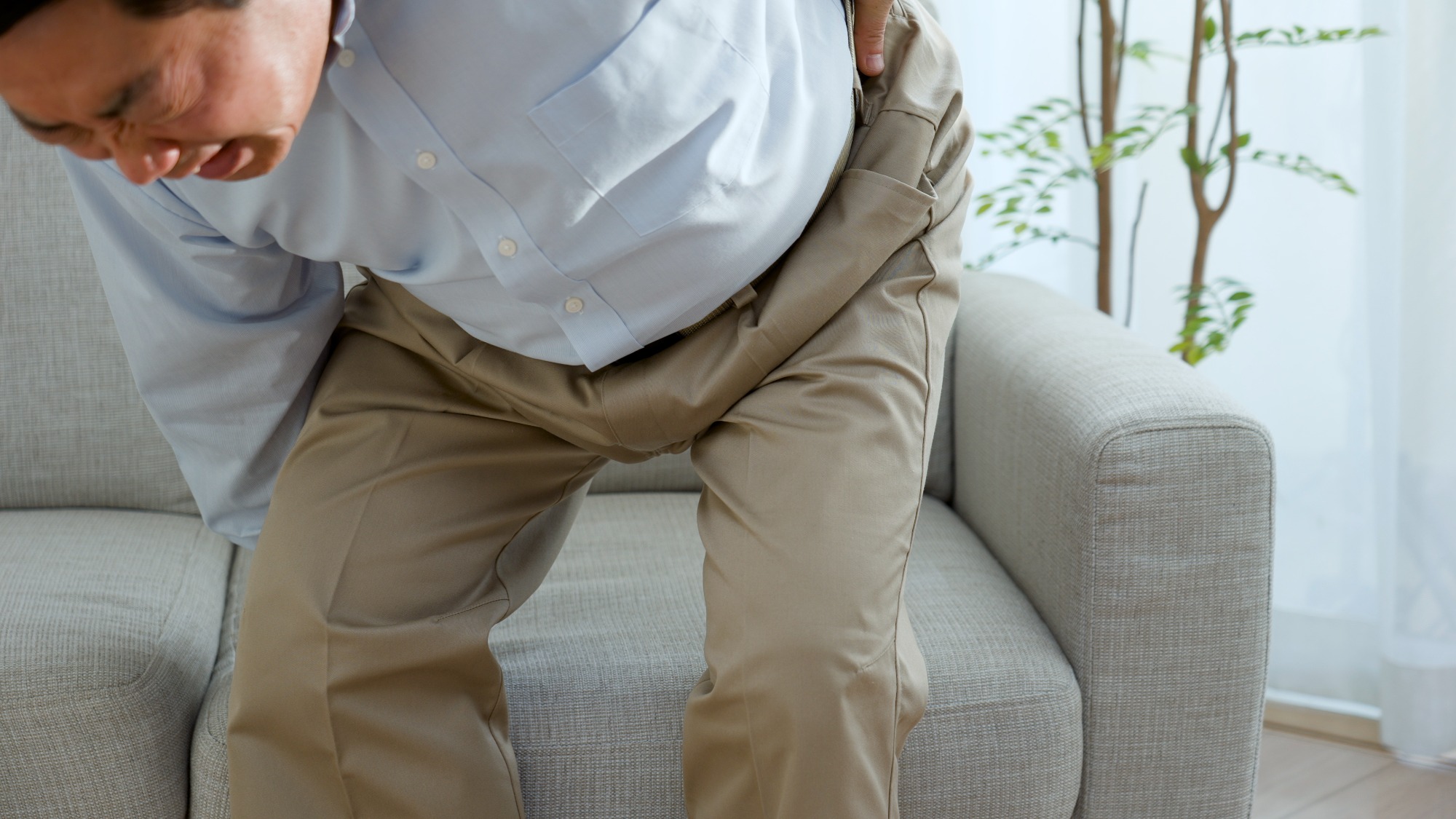


Lower Back Pain Management
We offer services that help with pain management, treatment and rehabilitation in mild and/or chronic low back pain. We use exercise and coaching methods to assist in the treatment of lower back pain – this method is scientifically proven. Whether you have an underlying condition, posture issues or have sustained an injury or strain to your lower back due to overuse or excessive strength or endurance training, we can work with you alongside your physiotherapist and/or other medical professionals to help reduce pain and get you stronger and healthier as a result. If you are suffering from intermittent back pain particularly when training under heavy loads (i.e., barbell squats, deadlifts or endurance sport) then it’s possible you are not correctly strengthening your lower back and we can also help with this. If you are suffering with lower back pain from issues stemming from work (sedentary desk job, driving jobs, construction work etc) then we can also give you correct techniques and education to help reduce and eliminate this issue.
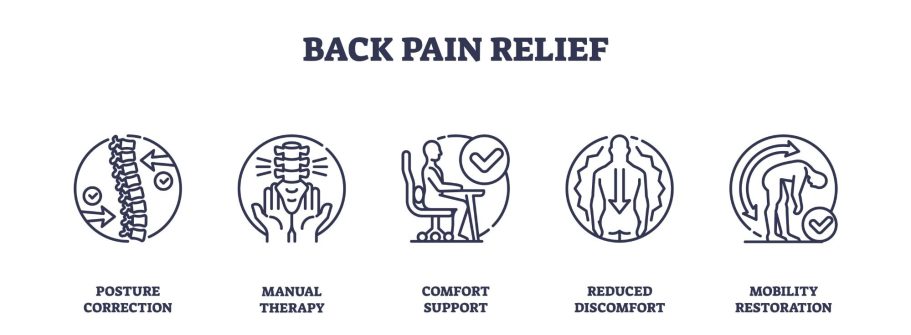
Common risk factors of low back pain are age, sedentary lifestyle, poor posture, obesity, smoking, genetics and occupational factors. Non-specific lower back pain can be caused by poor posture, muscle strains, overuse, obesity, physical inactivity and occupational factors such as heavy lifting, excessive bending and twisting and cognitive and behavioural factors.
Mechanical back pain can be caused by herniated disc, spinal fracture, muscle sprains, arthritis, degenerative disc disease and spinal stenosis.
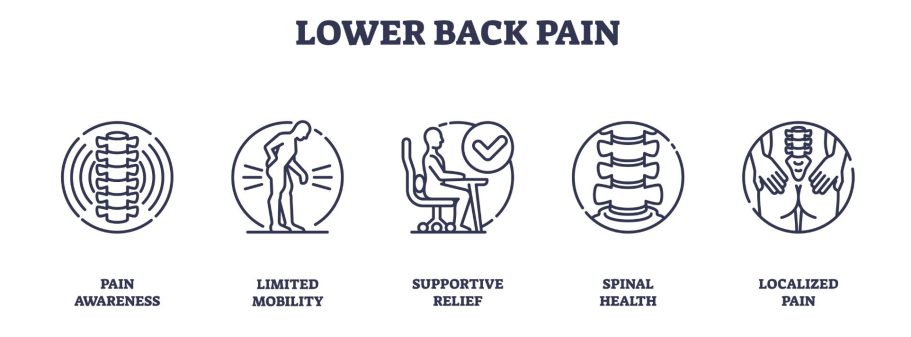


Exercise for Pain Management
Regular exercise can have a strong psychological impact in many ways. When exercising, the body releases a hormone called endorphins that offer natural pain relief, blocking pain signals and in some cases can be more potent than morphine. Regular exercise can help to boost mood and reduce stress, depression and anxiety. With regular exercise a client with low back pain can experience a better perception of pain and increased pain tolerance as well as increased self esteem and efficacy as the client becomes more confident in managing pain and participating in daily activities.
Exercise vs Medication for the Treatment of Lower Back Pain
Using exercise for the management or treatment of your mechanical or chronic lower back pain can be cost-effective whereas medication and physical therapy can often become expensive. Exercise at home or in a park can cost little to nothing just the price of your equipment. Getting a gym membership can be also be cost effective with access to other facilities like sauna, steam rooms and swimming pools. There are many long term benefits of regular exercise as well as reducing the effects of your lower back pain and further occurrence, it also helps with all over injury prevention and keeping your body healthy with good flexibility, mobility and functionality. All medications can have side effects some are minor such as drowsiness and nausea but some can be serious which can be life threatening, require hospitalisation or cause disability or permanent damage. Also, medications don't always address the root of the cause of your lower back pain and start to become less effective over time as the body adapts and builds tolerance. Exercise has no side effects when done correctly and has many health benefits not only for your lower back pain. It is also good for cardiovascular health, mental health and weight management.
The Dangers of Unprofessional & Word of Mouth Advice in Fitness and Nutrition
Word of mouth and unprofessional advice from friends, family members, colleagues, others in the gym etc in fitness and nutrition can lead to many dangers stemming from misinformation, myths and incorrect advice. This can lead to injury and health complications from improper form to incorrect dietary advice. It is always best to seek professional advice regarding fitness and nutrition.
Dangers of unprofessional dietary and supplement advice
When taking supplements and changing diets, it is very important to consult a professional. You should have a blood test to check your own vitamin levels and if you have any deficiencies as taking a supplement you don’t need can be as dangerous as having a deficiency and can cause further health complications. The professional will also be able to advise on supplements based on your personal activity level and the best supplements to help replenish and rehydrate after exercise. Taking supplements and vitamins whilst on medication can cause further health complications or at least reduce the efficacy of your medications as interference with medications is very common. Only a registered health professional will be able to let you know if there are any problems with your medication and planned vitamin/supplement use.
When changing your diet it is very important to speak to a nutrition specialist as by taking on certain diets you will be removing or reducing certain food groups and, in turn, the nutrients they provide. It is very important to be aware of any nutrients you need to supplement to stay healthy and safe. For example, following the much publicised carnivore diet cuts out so many food groups that is is missing many vital nutrients. It is important to have regular health check ups whilst on a diet like this to check for any deficiencies that may have occurred. Vegetarian and vegan diets can also be dangerous when you take into account your age, bone density, muscle mass and any deficiencies.
If a friend/relative/colleague advises on protein intake it is highly likely that their advice will not take into account your activity level or bodyweight which are both important to protein intake. You should always seek advice from a nutrition specialist regarding diet and protein intake for fitness.
Dangers of unprofessional fitness advice
Crossfit and advanced exercise dangers – taking part in crossfit type activity or advanced exercise without proper experience or strength can be dangerous. For example doing Olympic movements common at crossfit such as clean and jerk and snatch without first being experienced in compound movements such as deadlifts, shoulder press, kettlebell swings etc can put you at much higher risk of injury. You will also miss out on the full benefit or adaptation of these movements due to inexperience and incorrect form.
if a friend/relative/colleague tells you about something that worked for them or something they saw in a video or an article always research from trusted, professional sources to check the information is valid and if it will work for you. It is always best to consult a professional before undertaking new exercises.
If a friend/relative/colleague advises on cardio but has not used a professional trainer themselves they will not understand how to programme the cardio or advise what type of cardio to do. They will also not be taking into account any joint/muscle issues you may have, what you have tried before, what you are using the cardio to achieve and as such will not have very effective advice. They will likely also not understand the effect that long term high intensity cardio can have on diastolic output – too much blood being forced through an untrained cardiovascular system - which can cause serious heart problems.