
Pre and Post Pregnancy Exercise
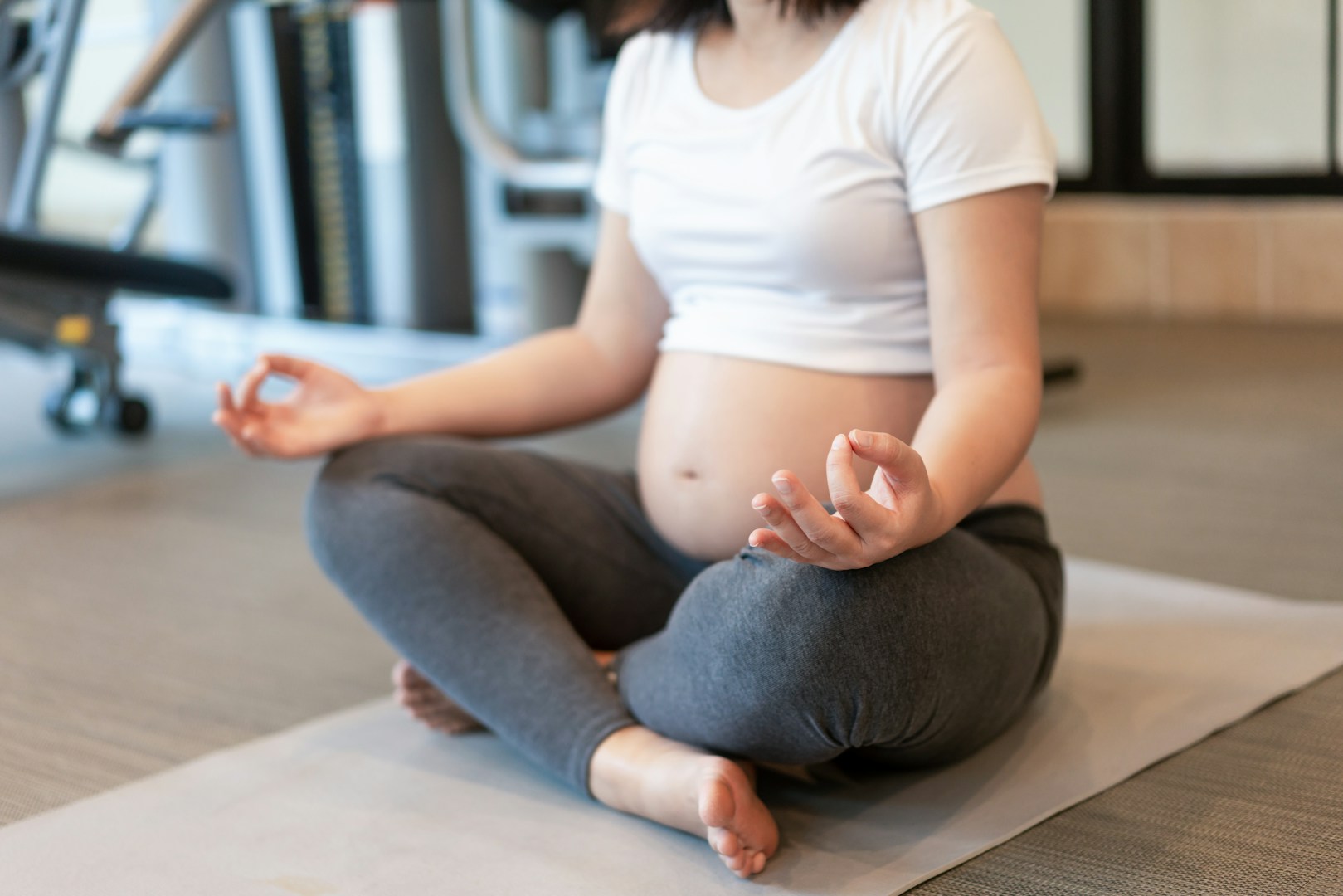
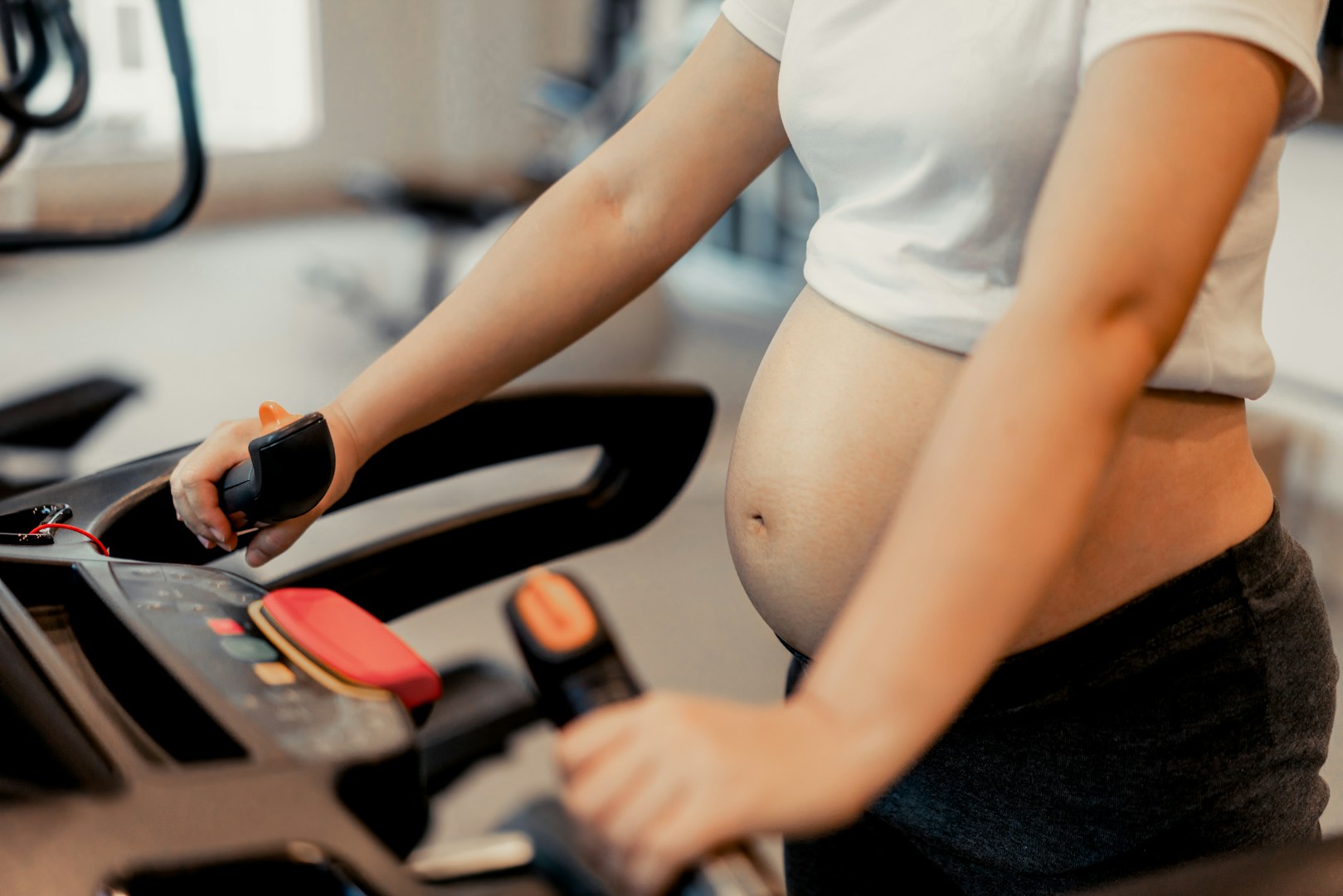
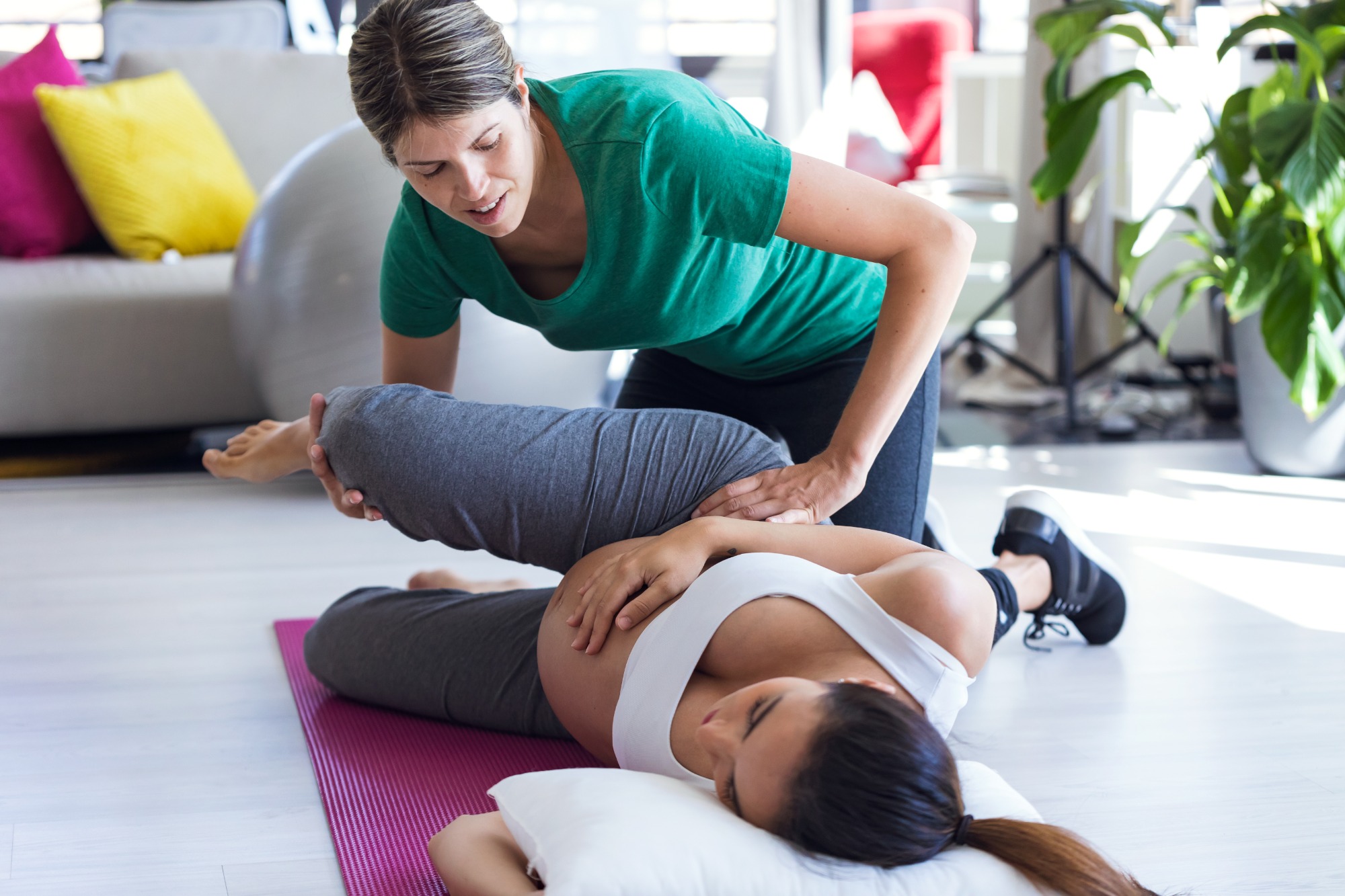
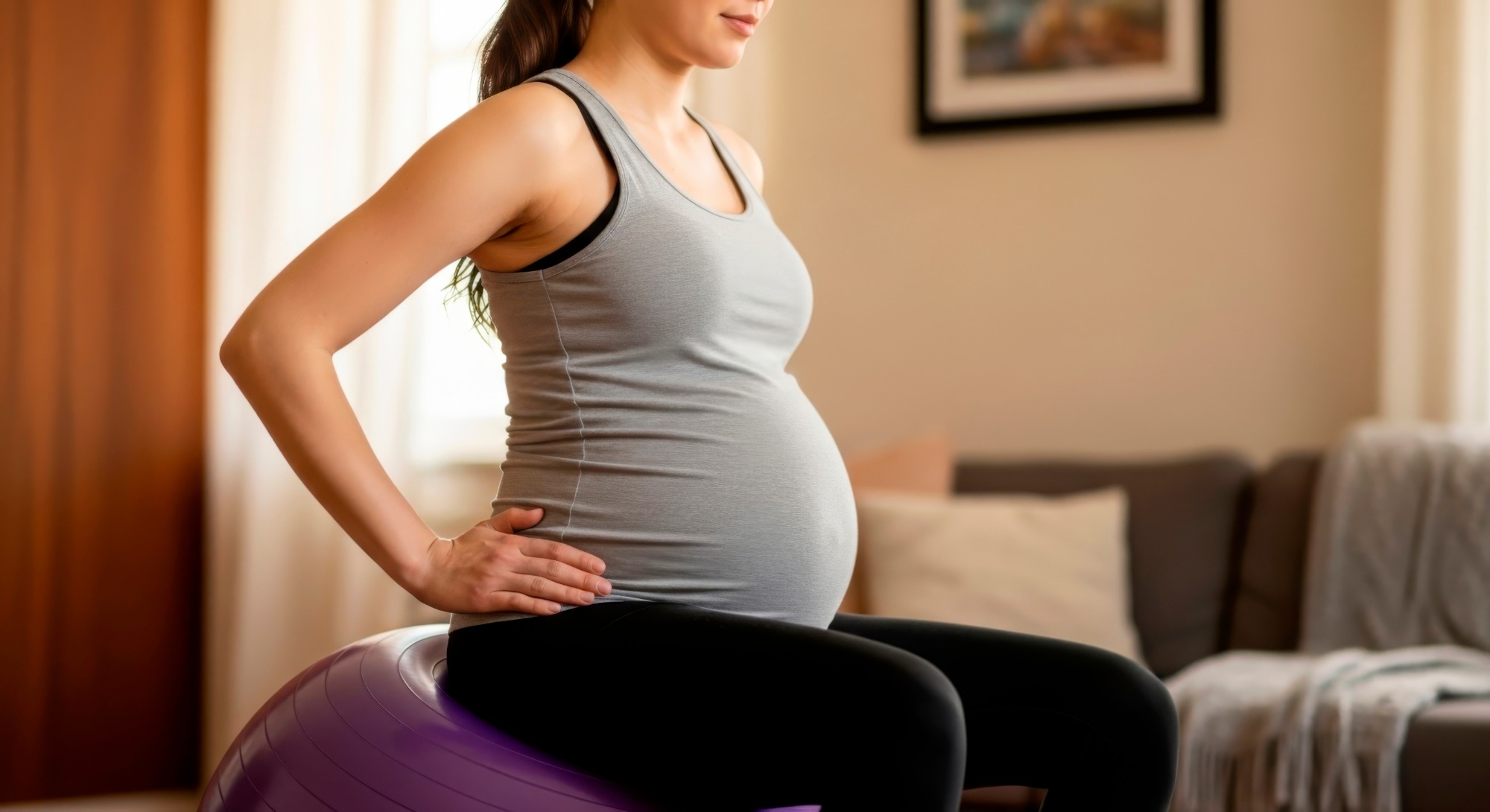
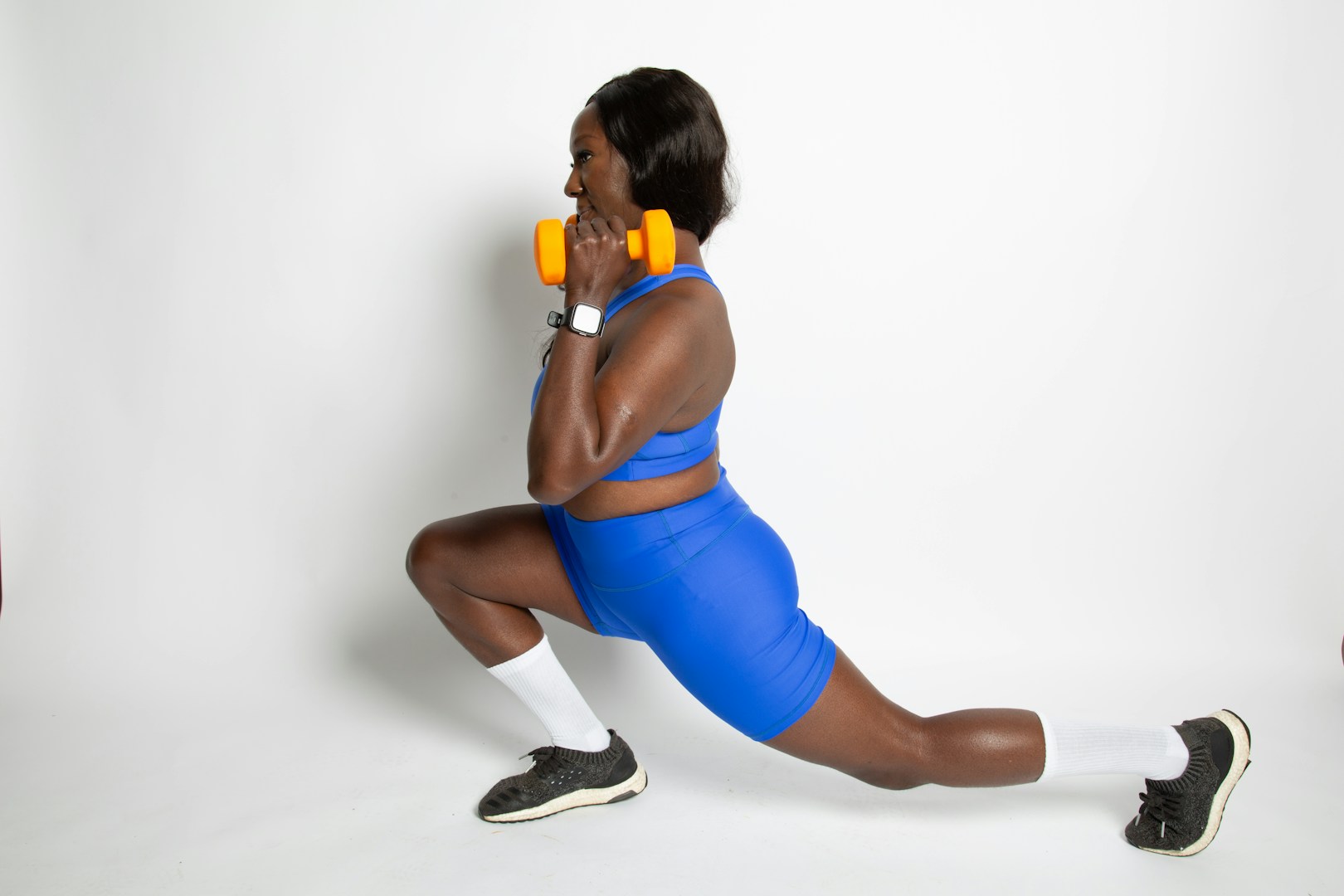
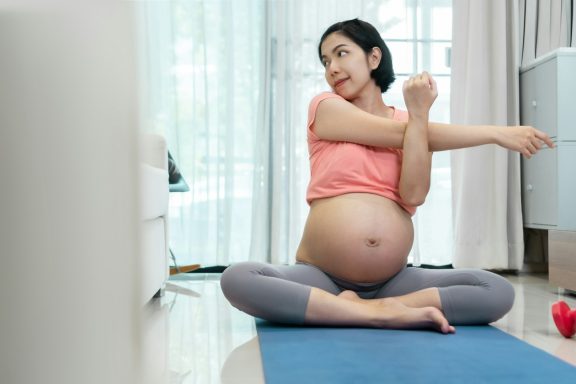
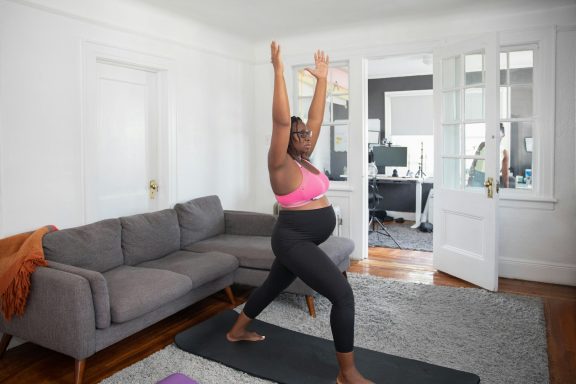
Exercise during and after pregnancy has many benefits for you and your baby. When exercising antenatally it can help with pain relief and comfort, healthy weight management, labour preparation, fetal health, strengthening core and pelvic muscles and boosting energy and mood. Postnatally, exercise can help with a faster recovery, improved function, weight loss, core and pelvic floor rehab and healthy mental well-being. By using a personal trainer to assist you in your pregnancy exercise journey, you can benefit from expert knowledge including keeping yourself safe whilst exercising in pregnancy, getting a personalised programme and having someone who will offer support and accountabililty.
Pregnancy causes a higher risk of diabetes due to increased insulin sensitivity in early pregnancy which is then followed by insulin resistance increasing progressively. Changes in the metabolism of glucose happen to ensure glucose is delivered to the fetus, helping its growth and development. Insulin resistance in the mother starts during the second trimester and peaks in the third trimester. By exercising regularly throughout pregnancy, you can help prevent diabetes in pregnancy and keep glucose levels healthy.
Pregnancy also affects cholesterol and lipid metabolism with LDL cholesterol levels reaching 50% by the time the baby is ready to be born. HDL cholesterol levels also increase in the first half of pregnancy and even though the levels drop in the third trimester they are still 15% higher than pre pregnancy levels. Changes in the metabolism of lipids is necessary for placenta and fetus health. By exercising regularly in pregnancy you can help reduce the negative effects of the necessary increase in LDL and HDL whilst your body prepares for your growing fetus.
Protein intake is also required to increase during pregnancy and the amino acids are delivered across the placenta to the growing fetus. Recommendations suggest having at least 0.9-1g of protein per lb of bodyweight to help reduce risks to the baby, including stillbirth. Protein supplementation in pregnancy can help to keep track of your protein intake especially as protein catabolism is reduced during pregnancy so when exercising muscle growth can slow down.
During pregnancy your body requires an increase in calcium and there is also a change in absorption of calcium to increase the amount that is absorbed. Calcium is essential for the formation of the fetal skeleton and as such maternal bone density can decrease during pregnancy. By exercising regularly, engaging in weight-bearing exercise and maintaining adequate calcium intake this can be prevented.
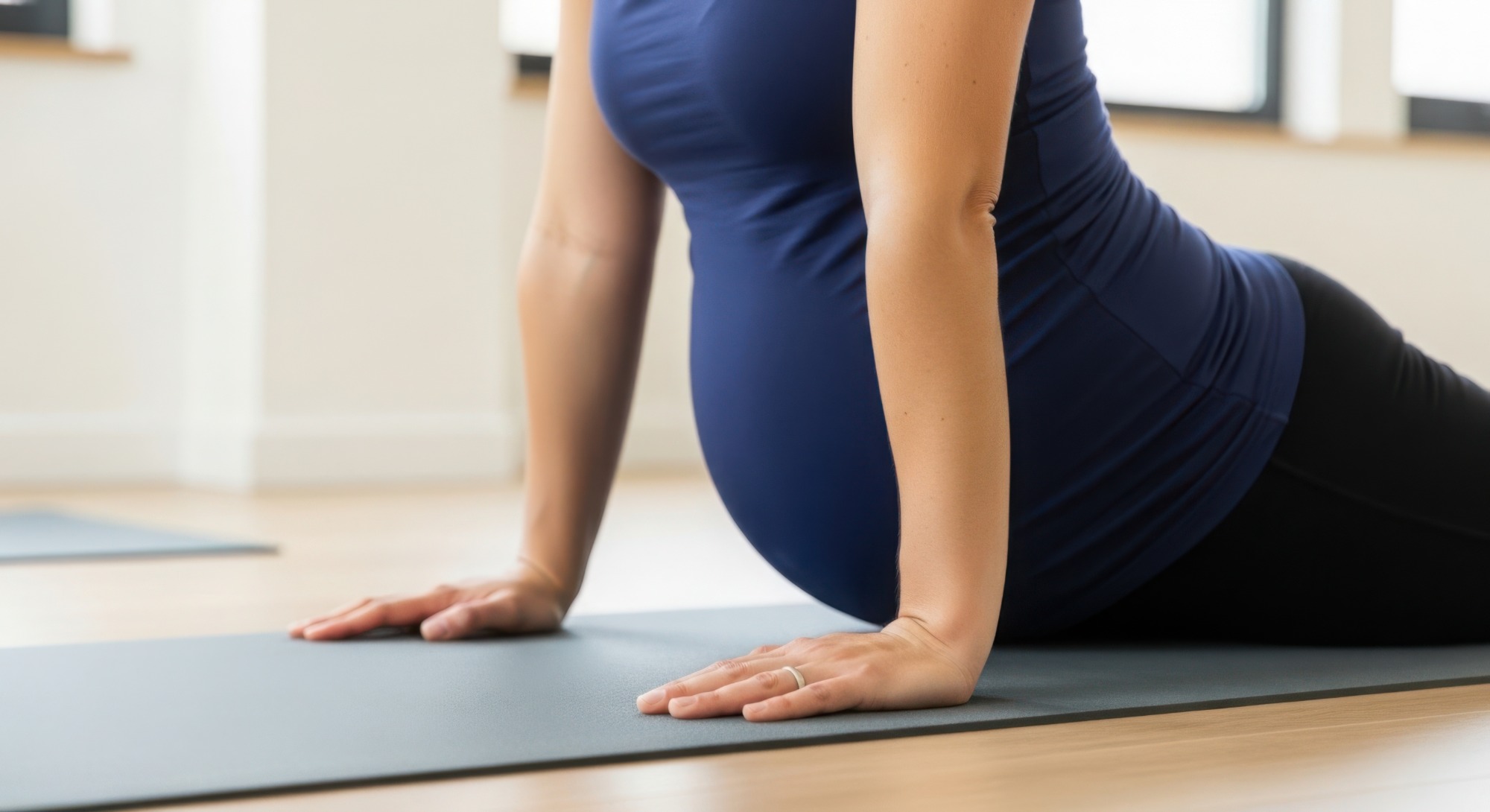
During pregnancy the growing uterus shifts the maternal centre of gravity which causes changes to the maternal posture and can lead to pain and discomfort. The main areas that are affected are the lower back and the pelvis which can increase the risk of lower back pain and misalignment of the knees and hips. The growing uterus can also stretch and weaken the abdominal muscles which can increase the risk of developing diastatis recti . This is where the abdominal muscles separate and cause a bulging in the midline of the abdomen. This can also contribute to lower back pain. By regularly engaging in exercise that strengthens the core muscles and improves posture it can significantly lower the risk of experiencing these issues either during pregnancy or after birth.
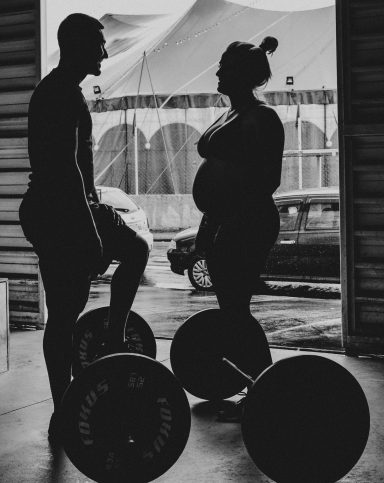
Benefits of Pre and Post Pregnancy Exercise
- Less risk of premature births
- Controlled weight gain
- Less C-section deliveries
- Reduced risk of pre term labour
- Less lower back pain during pregnancy
- Increased likelihood of a shorter labour
- Can help alleviate early pregnancy fatigue and nausea
- Strengthening exercises help prepare for body changes in pregnancy and labour
- Low impact exercises can help improve circulation and help reduce the risk of blood clots
Dangers of Word of Mouth Advice
- Fear mongering which increases a sedentary lifestyle during pregnancy
- Misinformation on intensity of exercise
- Ignoring or not following safety guidelines
- Not following or ignoring risk factors
- Neglecting structural changes after birth
- Returning to high impact too early following birth
- Incorrect exercises which can worsen conditions such as diastasis recti